


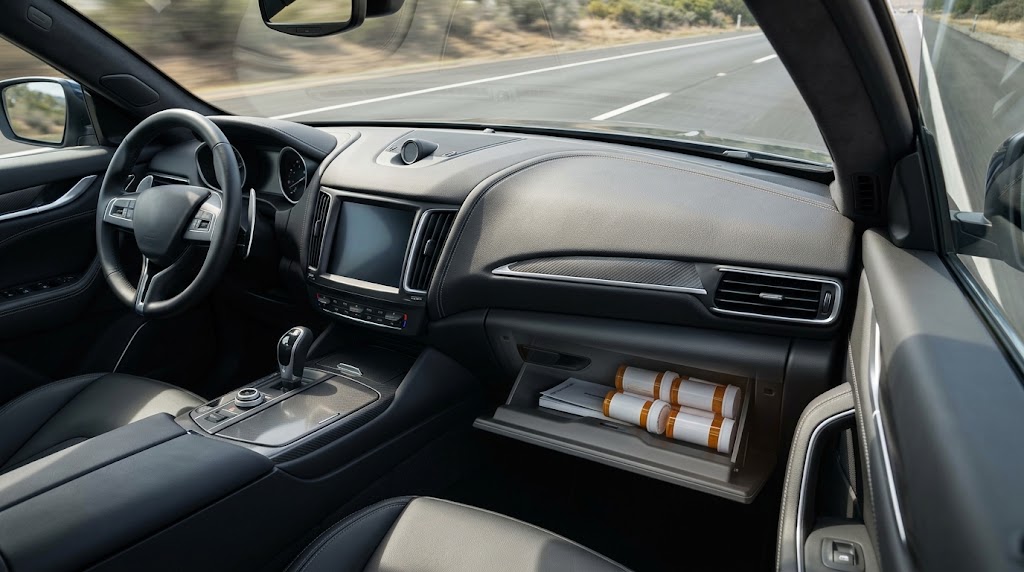
When most drivers think of a Driving Under the Influence of Intoxicants (DUII) charge in Central Oregon, they imagine alcohol or recreational cannabis. However, under Oregon’s expanded DUII enforcement standards, drivers are increasingly facing criminal charges for taking everyday, legal substances before getting behind the wheel.
Whether it is a doctor-prescribed painkiller, a daily anxiety medication, or an over-the-counter (OTC) cough syrup, taking medication before operating a motor vehicle can lead to an unexpected arrest.
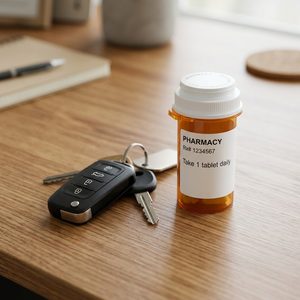
Can You Get a DUII for Taking Legal Medication in Oregon?
Yes. Under Oregon law (ORS 813.010), a person commits the offense of driving while under the influence of intoxicants if they drive a vehicle while impaired by an intoxicant, a controlled substance, an inhalant, or any combination thereof.
Oregon statute makes no distinction between illicit street drugs and legally obtained prescription or over-the-counter medications. If any substance—regardless of its legal status—adversely impacts your mental or physical faculties to a noticeable degree, you can face criminal DUII charges.

Common Everyday Medications That Can Trigger a DUII
Several common medications can lead to roadside impairment investigations. Scheduled controlled substances, such as prescription painkillers and central nervous system depressants, can slow cognitive reflexes, motor coordination, and visual tracking for hours after ingestion. Many over-the-counter remedies containing sedating antihistamines or cough suppressants can also cause noticeable drowsiness and slower reaction times. When these remedies interact with each other, daily prescriptions, or even minimal alcohol, they frequently amplify physical side effects to a perceptible degree that prompts officer intervention.

How Central Oregon Law Enforcement Tests for Drug Impairment
Unlike alcohol, which has a clear 0.08% Blood Alcohol Concentration (BAC) legal limit, there is no universal quantitative threshold for medication impairment. To bridge this gap, law enforcement agencies across Deschutes County utilize specially trained officers known as Drug Recognition Experts (DREs).
When a driver blows a 0.00% on a breathalyzer but still exhibits signs of impairment, an officer will call in a DRE to perform a standardized 12-step evaluation:
- Physical Indicators: DREs examine pupil size, pulse rate, muscle tone, and blood pressure.
- Behavioral Assessments: Officers run standardized field sobriety tests (walk-and-turn, one-leg stand, eye tracking) modified to detect chemical impairment.
- Toxicology Screening: Law enforcement will request a blood or urine sample to confirm the presence of controlled substances or impairing medications.

What to Do If You Face a Prescription or OTC DUII Charge
Having a valid prescription or buying a drug legally off the shelf is not an automatic legal defense under Oregon law. However, proving that a specific therapeutic dose actually caused noticeable impairment is complex, creating significant opportunities for defense.
If you have been stopped or charged under Oregon’s expanded DUII enforcement rules, consulting an experienced Bend DUI Attorney is vital to protecting your record and driving privileges. A skilled Bend Criminal Attorney can evaluate whether officers properly followed DRE protocols and challenge the validity of the state’s claims.
For dedicated legal support in Central Oregon, contact the team at Donahue Law Firm today.